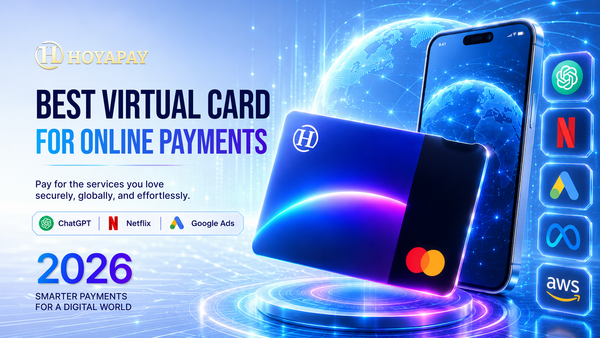
Best Virtual Card for ChatGPT, Netflix, Google Ads, and Online Subscriptions in 2026

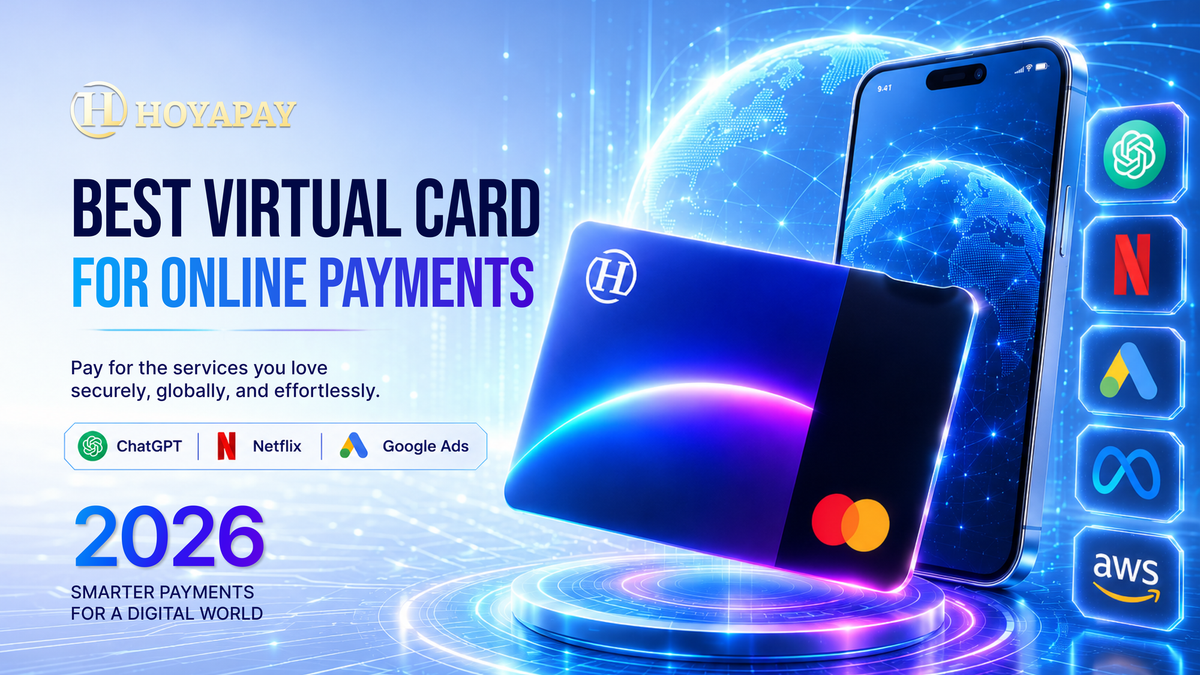
Keywords: Best Virtual Card, Virtual Card for ChatGPT, Virtual Card for Netflix, Virtual Visa Card, Global Virtual Card, Virtual Card for Google Ads, Virtual Card for Online Payments
Introduction
The way people work, consume content, and run businesses online has changed dramatically.
Today, professionals rely on dozens of online services every month, including:
- ChatGPT
- Netflix
- Spotify
- Google Ads
- Meta Ads
- AWS
- Google Cloud
- Adobe Creative Cloud
- Notion
- Canva
Managing payments for these services efficiently has become increasingly important.
This is why virtual cards have become one of the fastest-growing financial tools for freelancers, digital nomads, remote workers, creators, and online businesses.
In this guide, we'll explain what virtual cards are, how they work, and how to choose the best virtual card in 2026.
What Is a Virtual Card?
A virtual card is a digital payment card that functions similarly to a traditional debit or credit card.
Instead of receiving a physical card, users receive card details electronically, including:
- Card Number
- Expiration Date
- Security Code (CVV)
Virtual cards can be used for:
- Online purchases
- Subscription services
- Advertising platforms
- SaaS software
- Business expenses
Many users prefer virtual cards because they provide convenience, flexibility, and additional security.
Why Virtual Cards Are Becoming Essential
Online payments are now part of everyday life.
Many professionals pay for:
AI Tools
- ChatGPT
- Claude
- Midjourney
- Perplexity
Streaming Services
- Netflix
- Spotify
- Disney+
- YouTube Premium
Business Tools
- Canva
- Notion
- Slack
- Zoom
Advertising Platforms
- Google Ads
- Meta Ads
- TikTok Ads
Cloud Infrastructure
- AWS
- Google Cloud
- Microsoft Azure
Without a reliable payment method, managing these subscriptions can become difficult.
Virtual cards simplify this process.
Benefits of Using a Virtual Card
Instant Access
Many virtual cards can be issued immediately after approval.
Users can begin making payments without waiting for physical delivery.
Enhanced Security
Virtual cards reduce the risk of exposing primary banking information.
Some providers also offer:
- Dynamic security codes
- Card freezing
- Spending controls
Global Online Payments
Virtual cards are commonly accepted by:
- Subscription platforms
- E-commerce stores
- Advertising networks
- SaaS providers
Better Expense Management
Many freelancers and businesses use separate virtual cards for different expenses.
Examples:
- One card for Google Ads
- One card for SaaS tools
- One card for subscriptions
This improves budgeting and expense tracking.
What Makes the Best Virtual Card?
Not all virtual cards provide the same functionality.
When evaluating a virtual card provider, consider the following factors.
Global Acceptance
Can the card be used internationally?
A good virtual card should support major merchants worldwide.
Subscription Compatibility
The card should work with:
- ChatGPT
- Netflix
- Spotify
- Adobe
- AWS
- Google Ads
- Meta Ads
Security Features
Look for:
- Secure transactions
- Dynamic CVV
- Card controls
- Spending limits
Fast Funding
Users should be able to add funds efficiently.
Multi-Currency Support
For international users, multi-currency flexibility can be important.
Global Accessibility
Can users from different countries access the service?
Popular Virtual Card Providers in 2026
1. HOYAPAY
Best For
- Freelancers
- Digital Nomads
- Remote Workers
- Online Businesses
- Web3 Users
HOYAPAY combines:
- Virtual Cards
- USD Accounts
- Multi-Currency Support
- Global Payments
- Stablecoin Functionality
Advantages
- Virtual card spending
- Global payment support
- USD account integration
- Multi-currency management
- Stablecoin compatibility
2. Wise
Best For
International spending and currency management.
Advantages
- Strong international infrastructure
- Multi-currency balances
Considerations
Availability varies by market.
3. Revolut
Best For
Travelers and global professionals.
Advantages
- Virtual card functionality
- International spending
- Multi-currency support
4. Payoneer
Best For
Freelancers and marketplace sellers.
Advantages
- International payment ecosystem
- Business-friendly solutions
- Global payment capabilities
Virtual Card Use Cases
Paying for ChatGPT
Many freelancers, developers, marketers, and content creators rely on ChatGPT daily.
A virtual card allows users to manage subscriptions efficiently without exposing their primary banking details.
Paying for Netflix
Streaming subscriptions remain one of the most common online payments worldwide.
Virtual cards provide a convenient payment method for recurring subscriptions.
Paying for Google Ads
Businesses running advertising campaigns often need flexible payment solutions.
Virtual cards simplify campaign spending and budget control.
Paying for Meta Ads
Facebook and Instagram advertising remain critical customer acquisition channels.
Virtual cards help businesses separate advertising expenses from operational costs.
Paying for AWS
Developers and startups frequently use AWS for hosting and cloud infrastructure.
Virtual cards provide a convenient way to manage recurring cloud expenses.
Who Needs a Virtual Card?
Virtual cards are useful for:
Freelancers
Receive payments and pay for work-related tools.
Remote Workers
Manage subscriptions and international expenses.
Digital Nomads
Access online payment functionality from anywhere.
Content Creators
Pay for editing tools, AI services, and marketing software.
Online Businesses
Manage advertising, software, and operational expenses.
HOYAPAY Virtual Card: A Flexible Global Payment Solution
HOYAPAY combines virtual card functionality with a broader payment ecosystem.
Users can:
Receive USD Payments
Collect payments from overseas clients.
Manage Multiple Currencies
Hold and exchange funds when needed.
Spend Globally
Use virtual cards for:
- ChatGPT
- Netflix
- Spotify
- AWS
- Google Ads
- Meta Ads
Access Stablecoin Functionality
Manage both traditional and digital assets.
This combination makes HOYAPAY attractive for freelancers, creators, digital nomads, and global businesses.
Frequently Asked Questions
What is a virtual card?
A virtual card is a digital payment card used for online transactions.
Can I use a virtual card for ChatGPT?
Yes. Many virtual cards support ChatGPT subscriptions.
Can I use a virtual card for Netflix?
Yes. Virtual cards are commonly used for streaming subscriptions.
Can I use a virtual card for Google Ads?
Yes. Many businesses use virtual cards for advertising expenses.
Can I use a virtual card for Meta Ads?
Yes. Virtual cards can be used for Facebook and Instagram advertising.
Are virtual cards safe?
Virtual cards are generally considered secure because they reduce the exposure of primary banking information.
Can freelancers use virtual cards?
Yes. Virtual cards are widely used by freelancers for business and subscription expenses.
What is the best virtual card in 2026?
The best virtual card depends on individual requirements, including payment flexibility, currency support, global accessibility, and spending needs.
Final Thoughts
As more work and business activities move online, virtual cards have become an essential financial tool.
They help users:
- Manage subscriptions
- Pay for online services
- Improve security
- Control expenses
- Operate globally
Whether you're a freelancer, creator, remote worker, digital nomad, or online business owner, choosing the right virtual card can simplify how you manage digital payments in 2026.